
How to Know When Baby Is Ready for Touch and When to Pause

Why Timing Matters With Touch
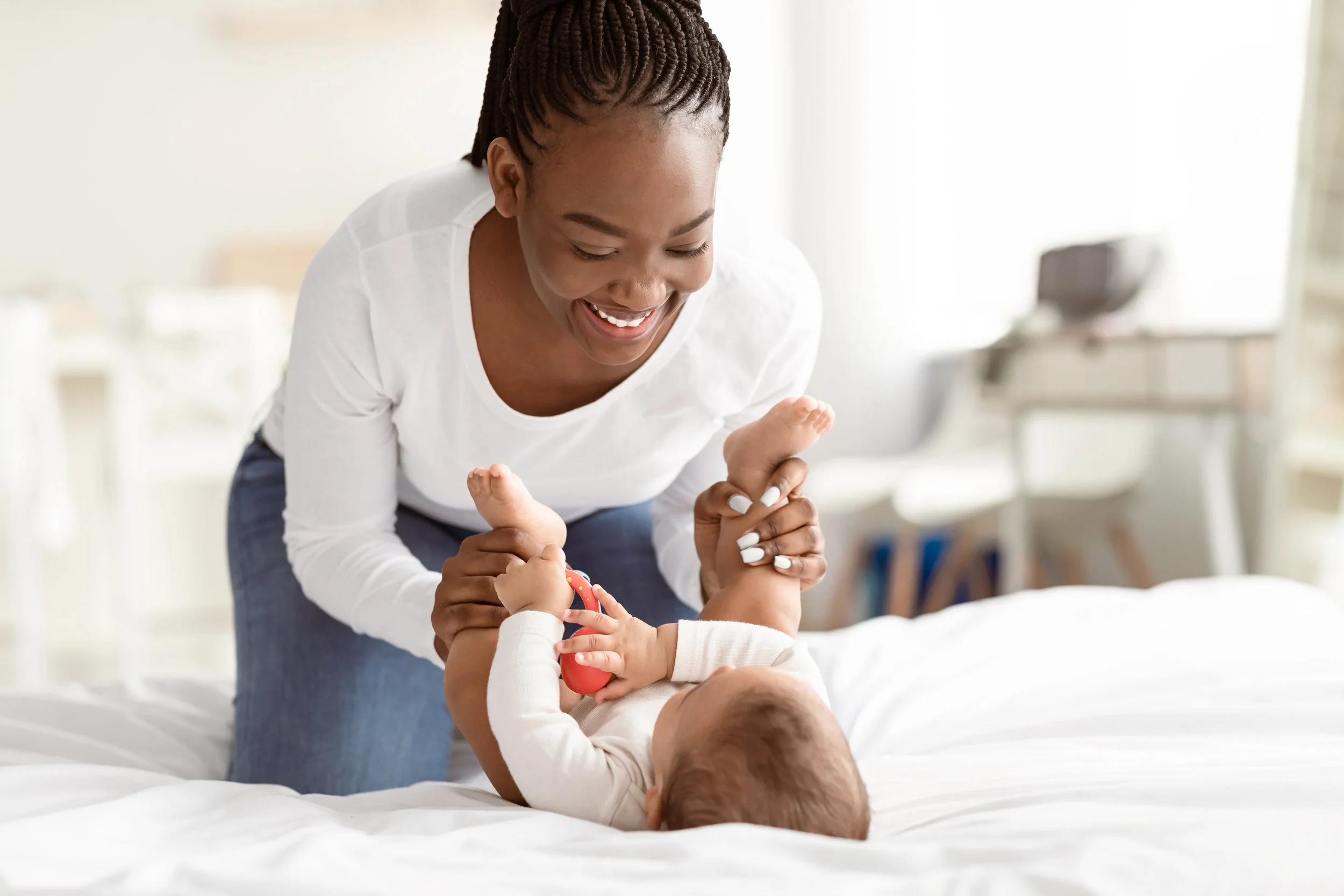
Parents often hear that touch is important for Baby, but in the early days of parenting, it is not always clear when to touch and when to pause. Baby’s needs can change throughout the day, and what feels calming at one moment may feel overwhelming at another. Learning to recognize when Baby is ready for touch helps parents use their hands in ways that feel supportive rather than overstimulating.
Touch is most helpful when it matches Baby’s state. When parents learn to notice small signs of readiness or overload, touch becomes a two-way experience instead of something done to Baby that may or may not be welcome (1).
Understanding Baby’s Quiet Alert State
One of the best times for gentle touch or infant massage is when Baby is in the quiet alert state. In this state, Baby is awake, relaxed, and aware of their surroundings without being fussy or overstimulated. Their movements are smooth, their breathing is steady, and their eyes may be softly focused or gently exploring.
This quiet alert window is when Baby is most receptive to connection, learning, and interaction. Touch offered during this time is more likely to feel organizing and comforting rather than overwhelming (2).
Signs Baby May Be Ready for Touch
Every Baby is unique, but many Babies show similar signs when they are open to touch. Parents may notice that Baby’s body feels relaxed, with arms and legs moving easily. Baby may make soft sounds, look toward a parent’s face, or seem content being held.
When Baby is ready, touch often leads to a sense of contentment and engagement. Baby may settle more deeply, maintain eye contact, or respond with gentle movements. These moments offer a natural opportunity for calm, predictable touch or infant massage (1).
Signs Baby May Need a Pause
Knowing when to pause is just as important as knowing when to begin. Babies communicate discomfort long before they fuss or cry. Early signs of overload can include turning the head away, stiffening the body, spreading fingers wide, arching the back, or becoming suddenly more wiggly.
These cues are Baby’s way of saying they need a break. Pausing does not mean something went wrong. It means Baby’s nervous system has reached its limit for stimulation and needs time to rest and reset. When parents notice and respond to these signals, Baby feels safe and understood (2).
How Pausing Builds Trust
When parents pause or adjust their touch based on Baby’s cues, they teach Baby that communication matters. Over time, this responsiveness builds trust, because Baby learns that their signals will be noticed and respected (1).
This back-and-forth response is an important part of early relationship development. Touch becomes something Baby can rely on rather than something they need to tolerate, and parents gain confidence in knowing when to continue and when to stop.
Using Infant Massage as a Learning Tool
Infant massage provides a structured way for parents to practice reading Baby’s cues. Because massage follows a predictable sequence, Baby often becomes better able to tolerate and organize the sensory input that touch creates.
As parents move through each stroke, they can more easily notice how Baby responds. Over time, this helps parents learn what feels calming, what feels neutral, and when Baby has had enough. This awareness often carries over into other daily routines like diapering, dressing, and play (1).
A Gentle, Respectful Approach to Touch
Touch does not need to be long or elaborate to be meaningful. Short, responsive moments are often the most supportive. When parents follow Baby’s cues and adjust as needed, touch becomes a shared experience built on trust and understanding.
If you would like to feel more confident knowing when to engage and when to pause, the Best Beginnings Infant Massage and Movement Program teaches simple, step-by-step techniques that help parents recognize Baby’s cues. Through gentle touch and responsive interaction, parents learn how to follow Baby’s signals, support comfort, and build trust during everyday moments.
Learning when to touch and when to pause helps parents create calmer, more connected moments with Baby. These early experiences lay the foundation for trust, communication, and confidence as Baby grows.
References
Feldman, R. (2012). Parent–infant synchrony: A biobehavioral model of mutual influences in the formation of affiliative bonds. Monographs of the Society for Research in Child Development, 77(2), 42–51.
Montirosso, R., & McGlone, F. (2020). The body comes first: Embodied reparation and the co-regulation of infant affect. Neuroscience & Biobehavioral Reviews, 113, 77–87.