
Sensory Play Is How Baby Learns About the World
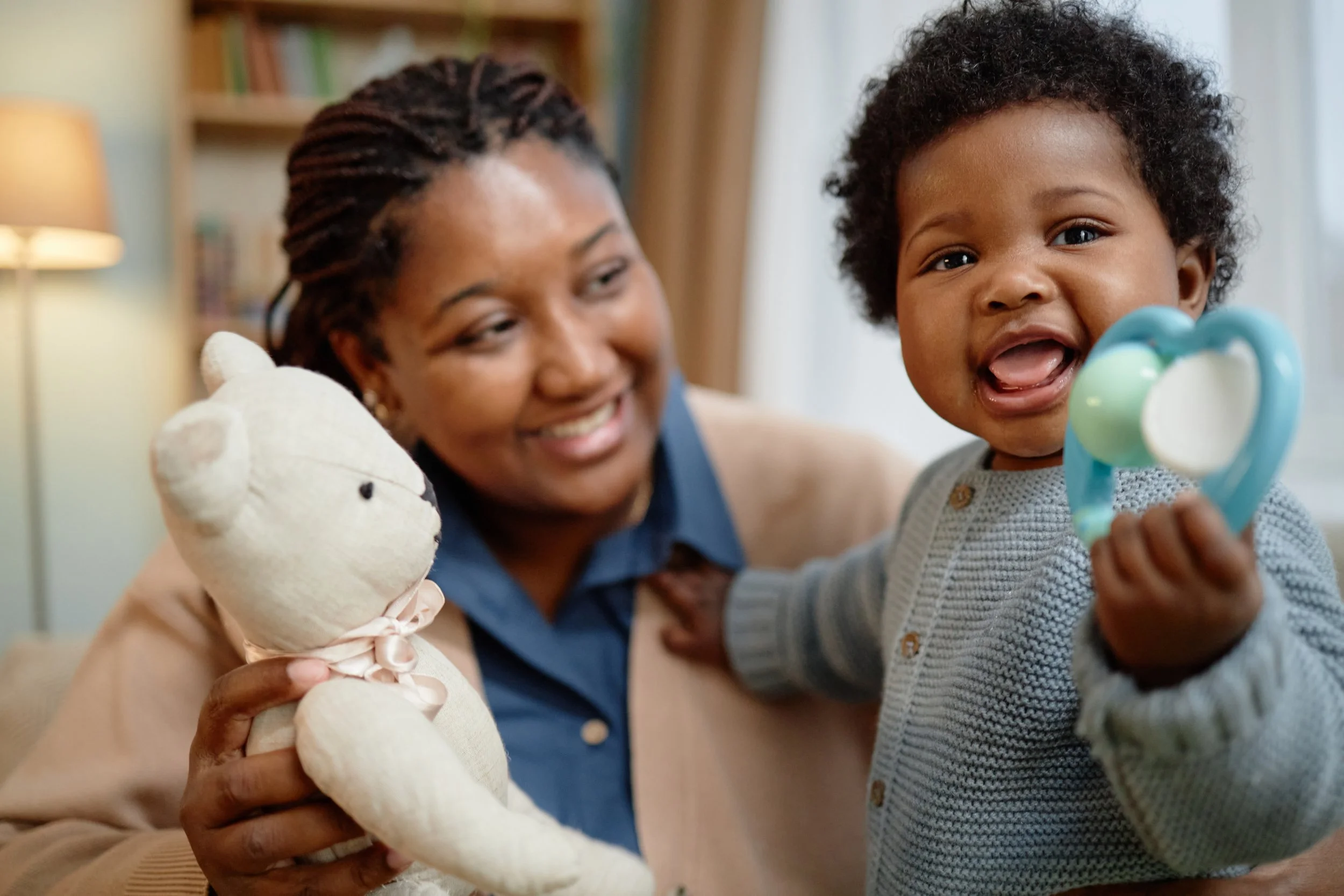

From the earliest weeks, Baby learns about the world through their senses. Long before language or reasoning develops, Baby gathers information by touching, tasting, listening, watching, and exploring. Sensory play is not an added activity or something parents need to schedule. It is how Baby’s brain naturally begins to understand what the world feels like and how their body fits within it.
For parents, sensory play often looks very simple. Baby brings objects to their mouth, rubs different textures, or studies an item with focused attention. What many parents do not realize is that these small, everyday moments provide a huge amount of information to Baby’s developing brain and support early brain development.
Baby Learns Through Their Mouth
One of the most important parts of sensory development is mouthing. The mouth is a highly sensitive sensory area, with dense nerve endings in the lips and tongue that send detailed feedback to the brain. When Baby mouths an object, they are learning about texture, temperature, shape, and firmness.
Research shows that oral exploration plays a key role in early sensory processing and supports coordination between the hands and mouth, which later becomes important for feeding and communication (1).
Mouthing is a normal and expected stage of development, not a habit that needs to be discouraged unless safety is a concern. Allowing safe opportunities for mouthing helps Baby build awareness of both their body and the objects around them. This stage of exploration is a healthy part of infant development.
Exploring Texture Builds Understanding
Different textures give Baby rich sensory input. Soft fabrics, smooth surfaces, gentle ridges, and everyday materials all feel different to the nervous system. Through repeated exposure, Baby’s brain begins to notice differences, compare sensations, and organize information.
This process supports sensory discrimination, attention, and early learning. Studies of infant sensory development show that simple, repeated sensory experiences help the nervous system respond more efficiently to new input over time (2). Babies do not need constant novelty. They learn best through calm, familiar experiences that are repeated again and again.
Hands as Learning Tools
As Baby develops, their hands become one of their main ways of exploring. Reaching, grasping, squeezing, and releasing all provide important sensory feedback to the brain. Baby learns how much pressure to use and how objects respond to their movements.
Over time, these experiences support body awareness and early problem solving. Baby begins to understand that their actions create effects, which builds confidence and curiosity. This kind of active exploration is foundational for baby brain development.
Everyday Items at Home Can Support Sensory Play
Once parents understand that sensory play for babies happens naturally, everyday items at home suddenly become opportunities for learning. Sensory experiences do not need to be fancy or expensive. Many of the best options are already nearby.
10 Everyday Items From Home That Support Sensory Play
Sensory play activities do not require special toys. Simple household items offer a wide range of textures, temperatures, sounds, and shapes for Baby to explore safely with supervision.
Plastic container lids from the kitchen
Choose a low cupboard and let Baby explore the lids freely. Different sizes, shapes, and edges provide wonderful tactile variety.A wooden spoon or other safe kitchen tools
Items like a wooden spoon, potato masher, or food-grade silicone spatula feel firm and different from soft toys, supporting oral and hand exploration.A metal spoon
The cool temperature and smooth surface feel very different from wood or fabric and offer new sensory feedback.Cookie cutters
As long as the edges are smooth and safe, Baby often loves exploring the shape and feel of cookie cutters.A soft washcloth
Washcloths are gentle, familiar, and perfect for touching, gripping, and mouthing, especially during bath time.Different fabrics
Cotton, fleece, denim, or knit blankets all provide unique tactile input and are easy to rotate.Bath toys in different shapes and textures
Simple bath toys can offer sensory interest through shape, firmness, and surface texture.A textured ball or household object with gentle ridges
Objects with bumps or grooves encourage finger exploration and tactile discrimination.An empty tissue box with fabric pieces inside
Pulling fabric in and out provides texture, resistance, and early cause-and-effect learning.A small cardboard box
With supervision, a simple box offers sound, texture, and space for hands to explore in creative ways.
Baby does not need many items at once. A few familiar objects, offered slowly and safely, give the nervous system time to explore and learn without overwhelm. Supporting healthy sensory development can truly be this simple.
👉Learn how the Best Beginnings Infant Massage Program guides you through simple, everyday ways to support your baby’s development through touch, movement, and sensory experiences.
Learn More Through Best Beginnings
The Best Beginnings Infant Massage and Movement Program helps parents understand how sensory play, exploration, touch, and movement work together to support Baby’s development. Parents learn when to guide and when to allow exploration, building confidence as they support Baby’s growing brain and body through everyday routines.
References
(1) Rochat, P. (2001). The infant’s world. Harvard University Press.
(2) Lickliter, R., & Bahrick, L. E. (2016). The development of infant intersensory perception: Advantages of a multimodal approach. Psychological Bulletin, 142(3), 272–298.
(3) Markova, G., & Siposova, B. (2019). The role of oxytocin in early mother–infant interactions: Variations in maternal affect attunement. Infant Behavior and Development, 55, 58–68.