
Understanding Primitive Reflexes
How Primitive Reflexes Shape Future Learning
What Are Primitive Reflexes?
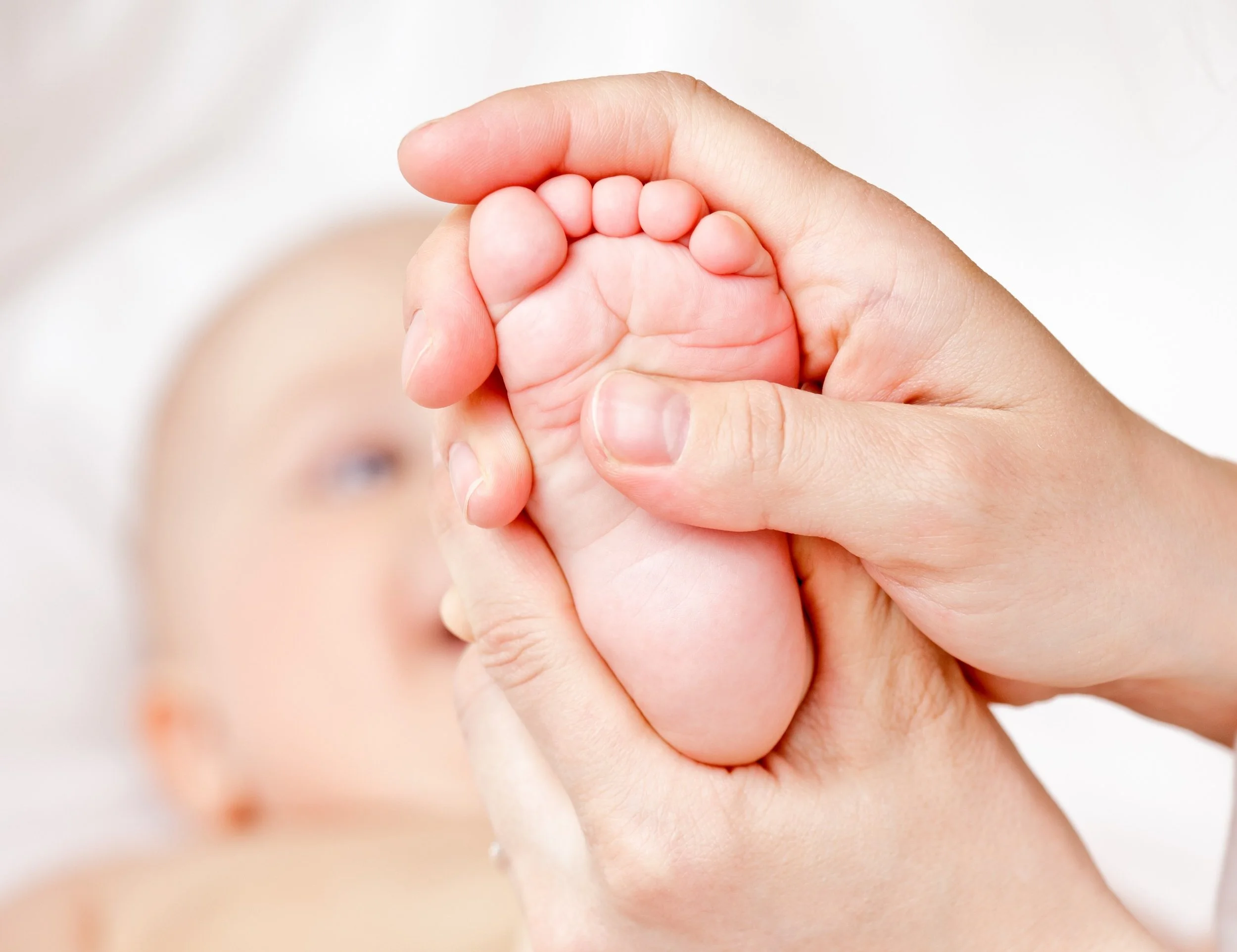
Primitive reflexes are automatic movement patterns controlled by the brainstem. They appear before birth and during early infancy, helping babies survive, move, and begin organizing their nervous systems.
Each reflex has a purpose. Reflexes support feeding, bonding, movement, and early sensory development.
As Baby’s brain matures, these reflexes gradually integrate. When this happens, voluntary movement, coordination, and higher-level brain functions can develop.
The Progression of Primitive Reflex Integration
Primitive reflexes follow a natural developmental progression as Baby’s brain matures.
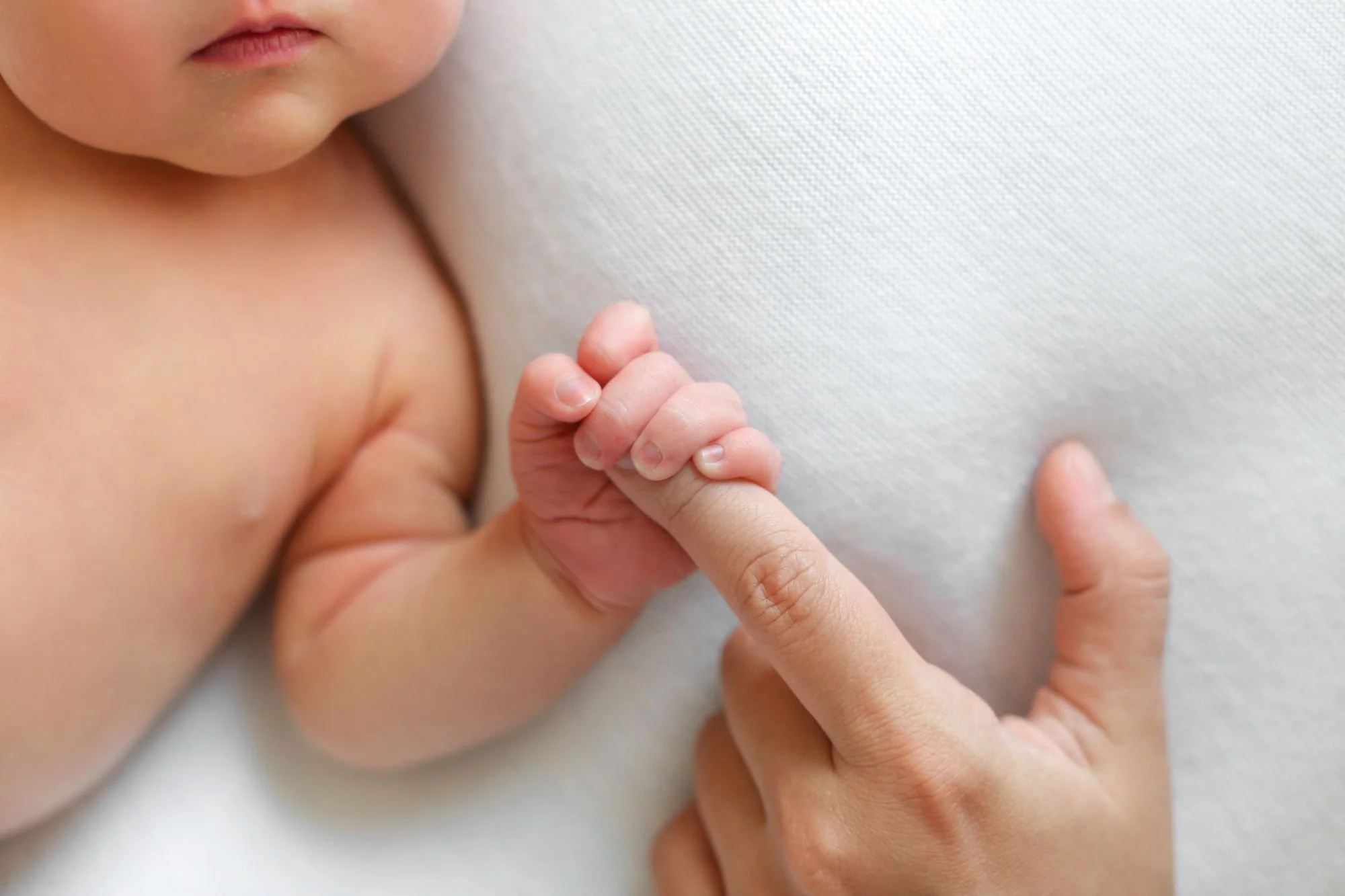
First Step - Primitive Reflexes create automatic responses to stimulation
For example, the Palmar Grasp Reflex occurs when Baby’s palm is touched. Baby's fingers automatically close around whatever is touching their hand.
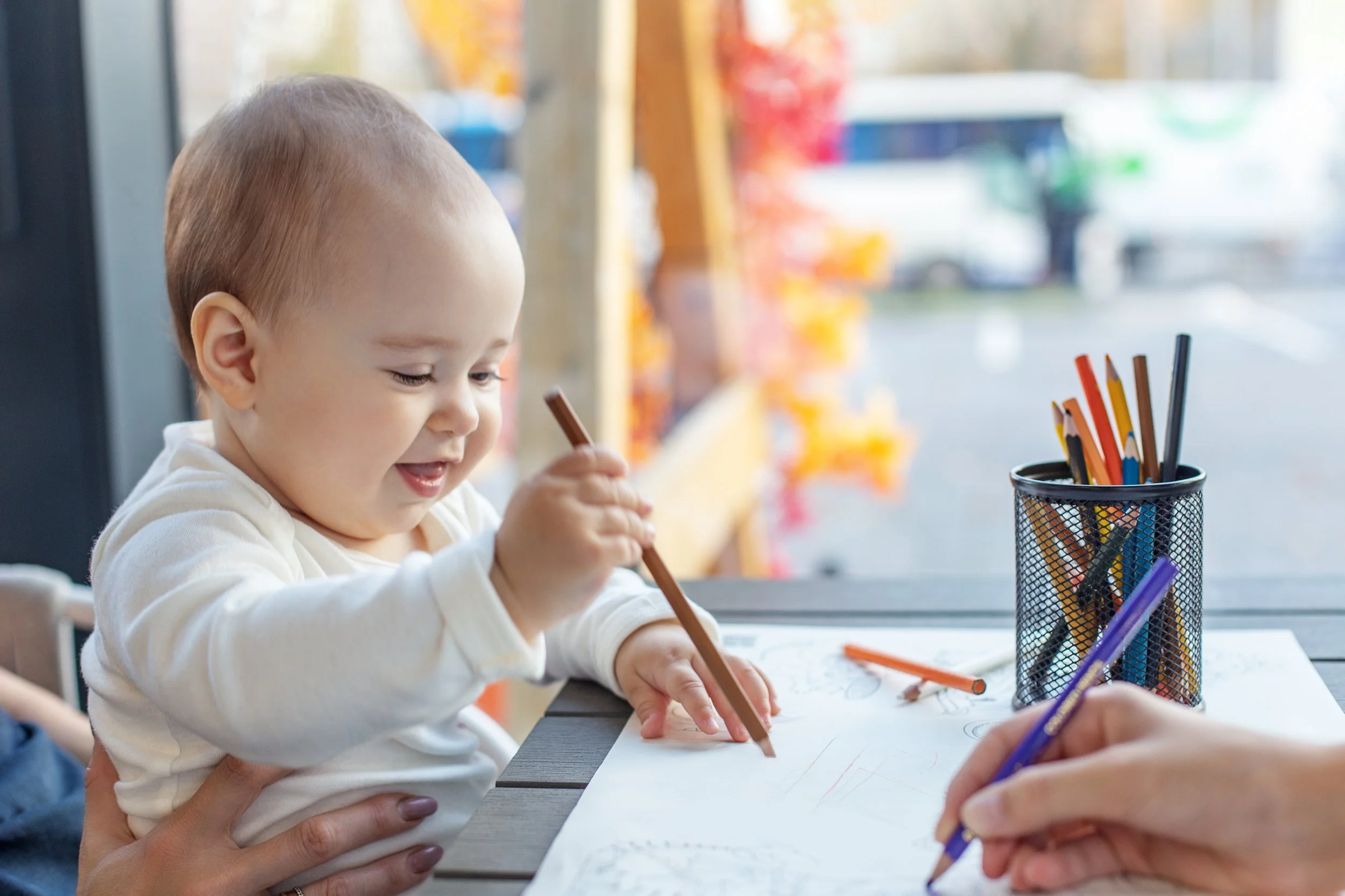
Second Step - The brain begins learning voluntary movement
As Baby grows, the brain gradually learns how to control the body. Babies begin lifting their heads, stretching, reaching, and grasping intentionally.
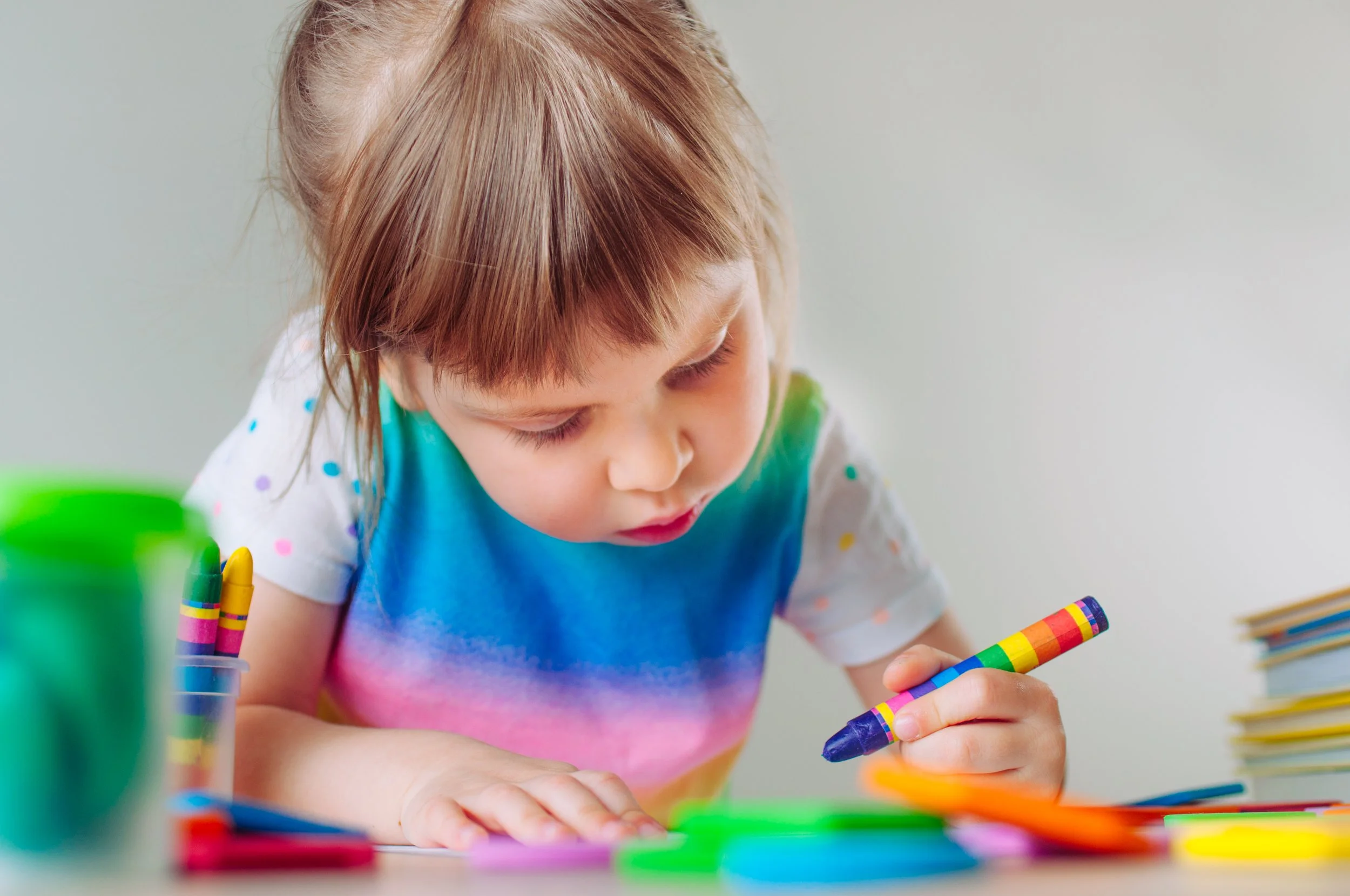
Third Step - Voluntary movement integrates the reflex
As the nervous system matures, voluntary control takes over and the primitive reflexes naturally fade away, or integrate.
What Happens if Primitive Reflexes Don’t Integrate?
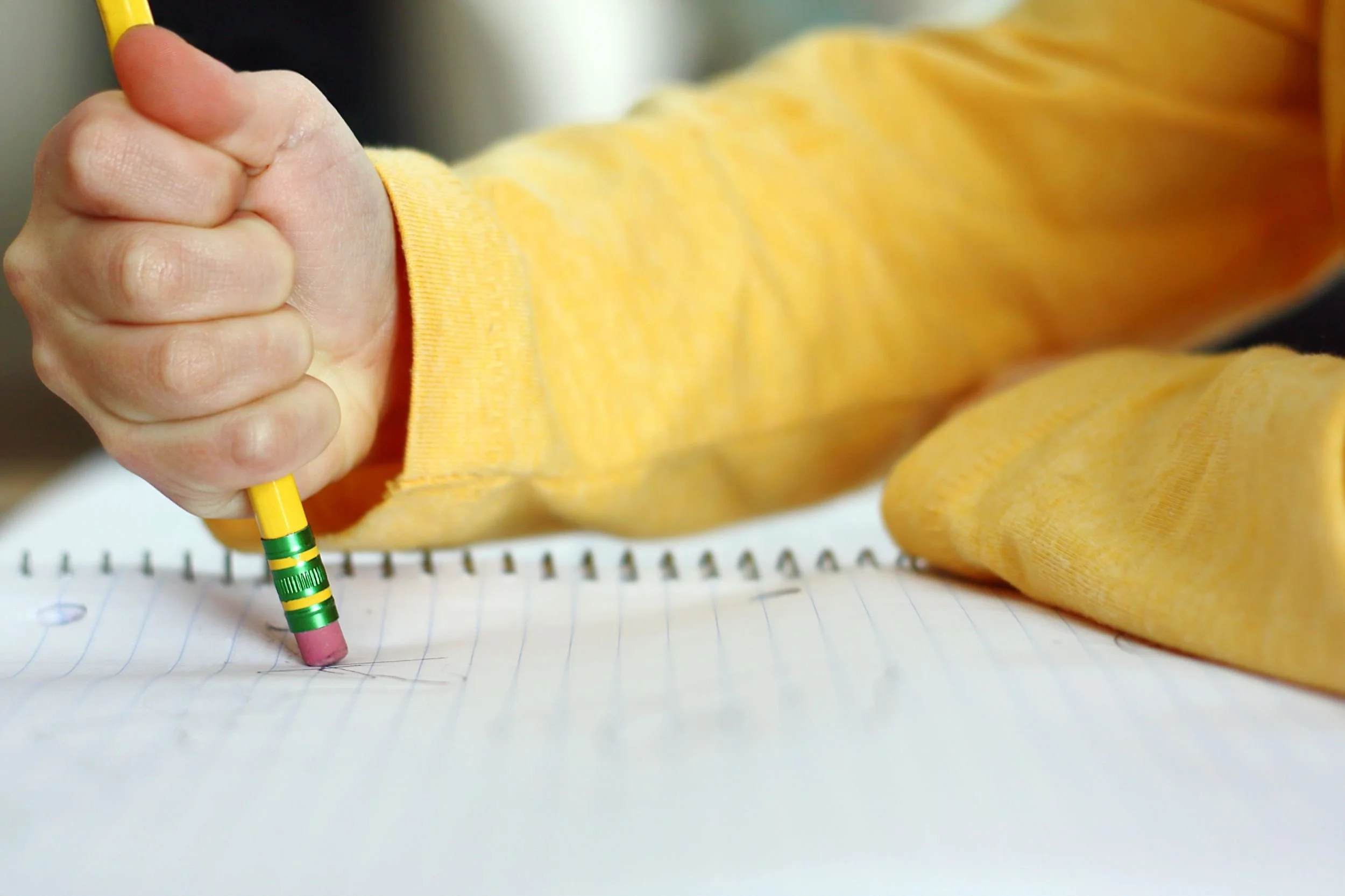
When primitive reflexes remain active longer than expected, they are called retained primitive reflexes.
Because primitive reflexes are designed to help babies learn and develop, retained reflexes can sometimes make certain tasks more challenging. Depending on the reflex involved, a child may experience difficulties with coordination, posture, balance, attention, fine motor skills, or learning.
Professionals in many fields are interested in retained primitive reflexes because understanding these early movement patterns can sometimes provide clues about later developmental challenges.
Example: The Palmar Grasp Reflex
The Palmar Grasp Reflex helps Baby develop early hand function. As the reflex integrates, children gradually learn to use their hands with greater control and precision.
What Happens If the Palmar Grasp Reflex is Retained?
If the Palmar Grasp Reflex remains active, activities involving the hands may be more challenging.
When a child with a Retained Palmar Grasp Reflex holds something in their hand:
pressure on the palm can trigger an involuntary grasp response
the hand may squeeze automatically
writing, drawing, and using scissors may feel more difficult
alternative pencil grips may develop to compensate
Common Signs of Retained Primitive Reflexes
Professionals in many fields — including medical doctors, chiropractors, optometrists, occupational therapists, teachers, and early childhood development specialists — are increasingly noticing children with learning and behavioral challenges that may relate to missed developmental milestones or retained primitive reflex patterns.
When the brain’s sensory and motor systems do not mature as smoothly as expected, children may show patterns such as:

Startle Reflex
emotional ups and downs
acts impulsively
afraid to try new things
trouble making friends
is often anxious, worried or nervous

Tonic Labyrinthine Reflex - TLR
poor core strength
trouble with balance
difficulties focusing
clumsy or uncoordinated
difficulties playing ball sports
Plantar Reflex
grips the floor with toes when standing
loose ankles that sprain easily
difficulty knowing where their body is in space
falls often
sensitive feet - doesn’t like socks or shoes

Rooting Reflex
sensitivity around the mouth
picky eater
messy eater
ongoing thumb sucking
difficulties speaking

Asymmetrical Tonic Neck Reflex - ATNR
did not crawl as a baby
robot-like gait
clumsy
holds a pencil too tight
mixes b’s and d’s when writing
Palmar Grasp Reflex
messy handwriting
awkward pencil grip
right and left confusion
thumb sucking after 18 months
eats with hands instead of a fork or spoon

Symmetrical Tonic Neck Reflex - STNR
skipped crawling, or crawled commando-style
struggles with ball sports
slouches or leans when sitting, holds head up
difficulties focusing or paying attention
difficulty copying from the board
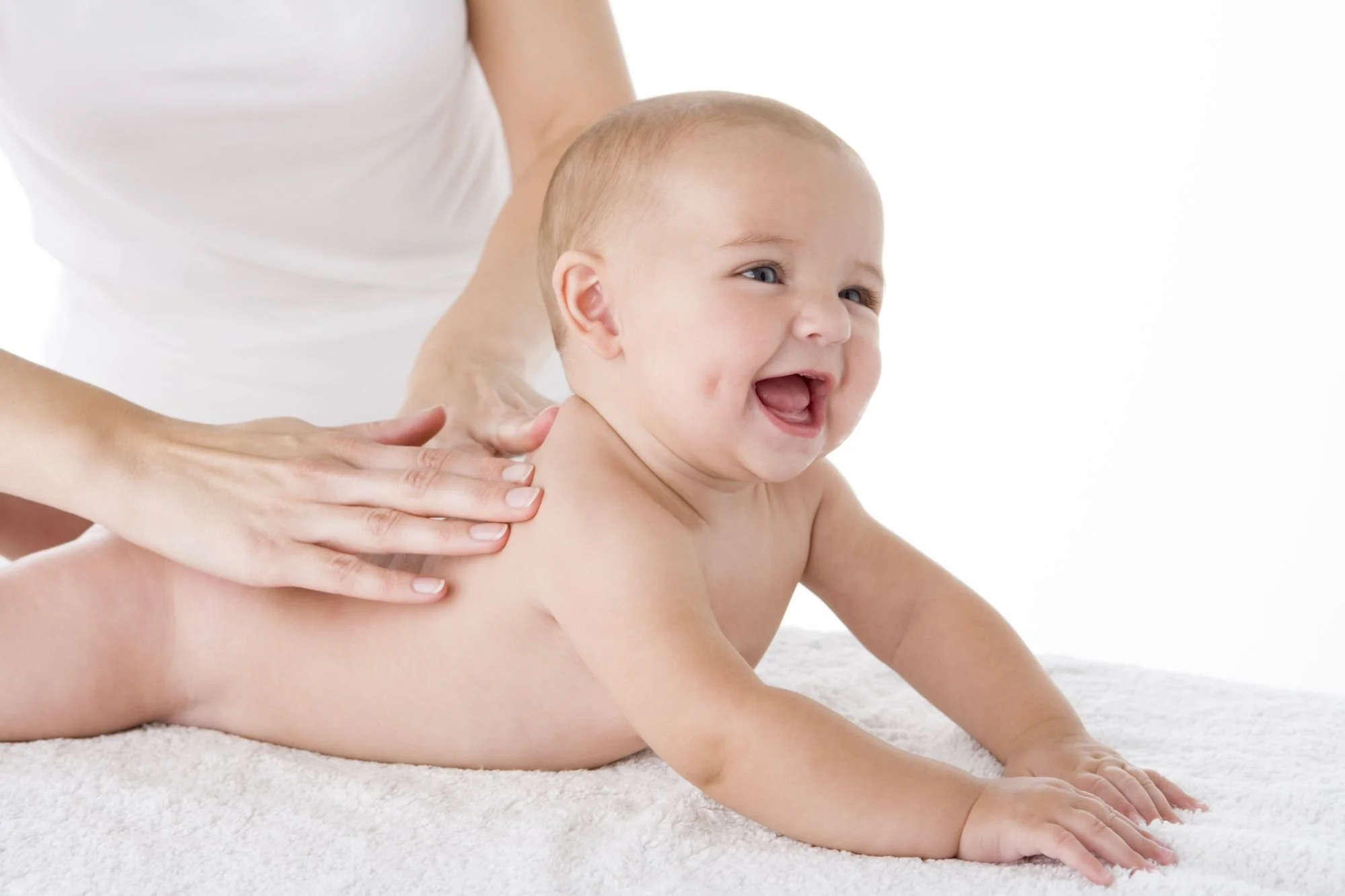
Spinal Galant Reflex
fidgety, unable to sit still
trouble with focus
difficulties with reading
bedwetting past the age of 5
ticklish, low back is very sensitive, will squirm when back touches a chair
How Parents Can Support Healthy Development
The good news is that parents can play an important role in supporting their Baby's development.
During the first year of life, experiences such as touch, movement, rhythm, sound, and sensory play help Baby learn about their body and the world around them. These experiences provide valuable input to the developing nervous system and help lay the foundation for future learning, coordination, and confidence.
The Best Beginnings Online Baby Massage and Movement Program was designed to help parents provide these experiences in a simple and enjoyable way at home.
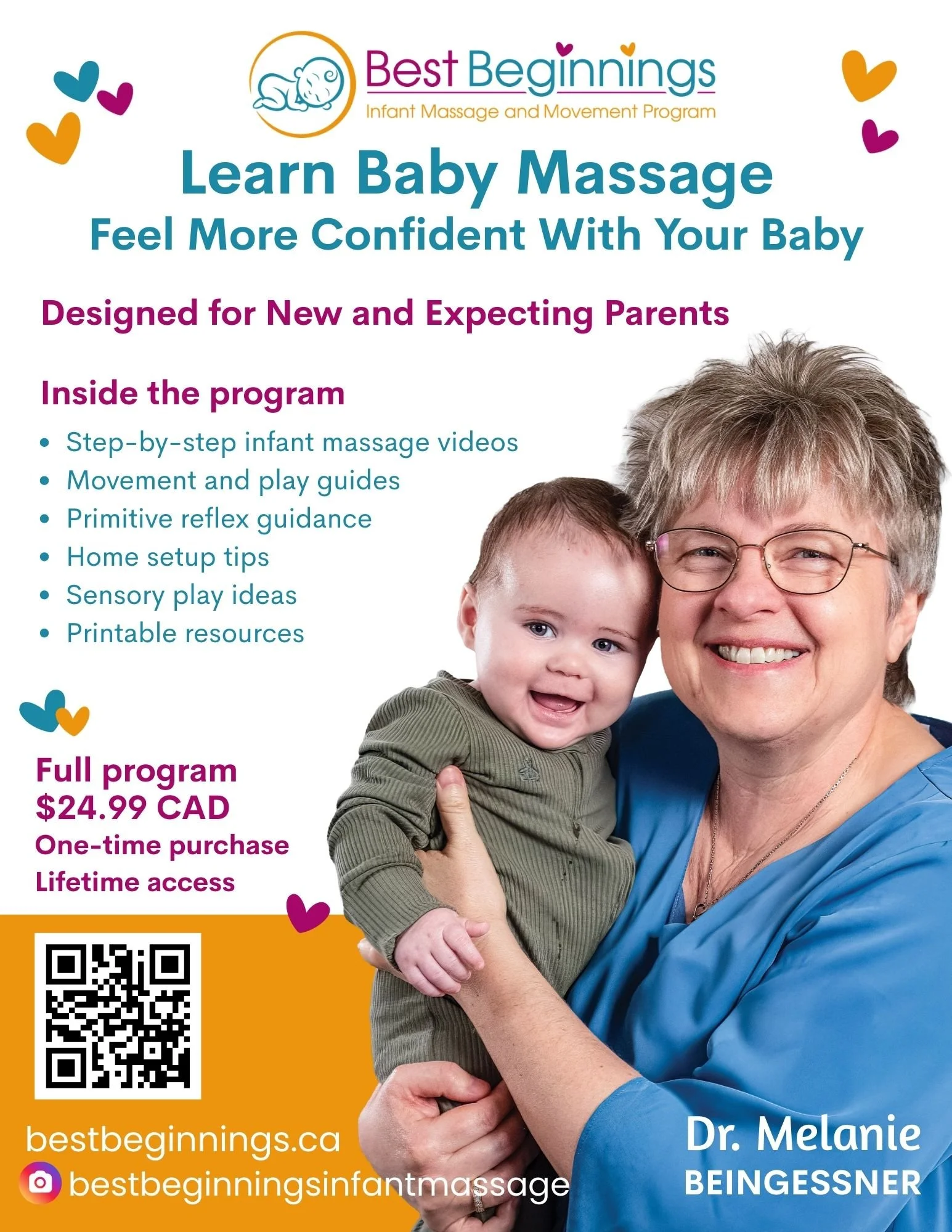
Inside the program you'll learn:
Infant Massage and how nurturing touch supports connection and development
Movement and Play activities that encourage body awareness and coordination
Primitive Reflexes, their purpose, and how they naturally integrate
Rhythm and Sound activities that support learning and regulation
Sensory Play ideas that stimulate Baby's developing senses
How to Create a Sensory-Rich Home Environment that encourages exploration and growth
By understanding how babies learn through movement, touch, sound, and play, parents can feel more confident supporting their child's development from the very beginning.

About Best Beginnings
Created by Dr. Melanie Beingessner, pediatric chiropractor and certified infant massage instructor, the Best Beginnings Program combines professional expertise with practical tools parents can use at home.
Our goal is simple: to help parents and caregivers support Baby's developing brain and nervous system through touch, movement, rhythm, sensory experiences, and play.
References
Piper, M. C., & Darrah, J. (1994). Motor Assessment of the Developing Infant. W.B. Saunders.
Heidenreich, S. (2021). Understanding primitive reflexes: How they impact child development and intervention strategies for integration. Retrieved June 15, 2025 from https://www.occupationaltherapy.com/articles/understanding-primitive-reflexes-they-impact-5409
Harkla. (2021). The ultimate guide to retained primitive reflexes. Retrieved June 15, 2025 from https://harkla.co/blogs/special-needs/what-are-primitive-reflexes
Blomberg Rhythmic Movement Training Canada. (n.d.). Reflexes. Retrieved June 15, 2025 from https://brmtcanada.com/blomberg-rhythmic-movement-training/reflexes/
Davis, Jenna. Pediatric Development course. The Connection between brain, behaviour and body. https://www.babyboomcreations.ca