Baby Massage for a Newborn – Where to Start in the First Months

If you are holding a brand new baby and wondering why everything feels harder than you expected, you are not alone.
The first weeks with a newborn baby can be intense. Feeding takes time to learn. Sleep is broken. Baby’s nervous system is still adjusting to life outside the womb, and Baby can cry more than you ever imagined.
It makes sense that many parents search for baby massage for a newborn right away. You want something that helps. You want to soothe Baby. You want to feel like you are doing something right. And you may be wondering when baby massage for a newborn is actually appropriate.
Here is the part that often gets missed.
In the first month or two, most newborns become overwhelmed very easily. Their brains are still learning how to process light, sound, movement, and touch. What feels calming to an older baby can feel like too much stimulation for a tiny newborn. Starting a full baby massage routine during this time is often simply too much.
In reality, baby massage happens in phases.
Phase One – Holding and Patting
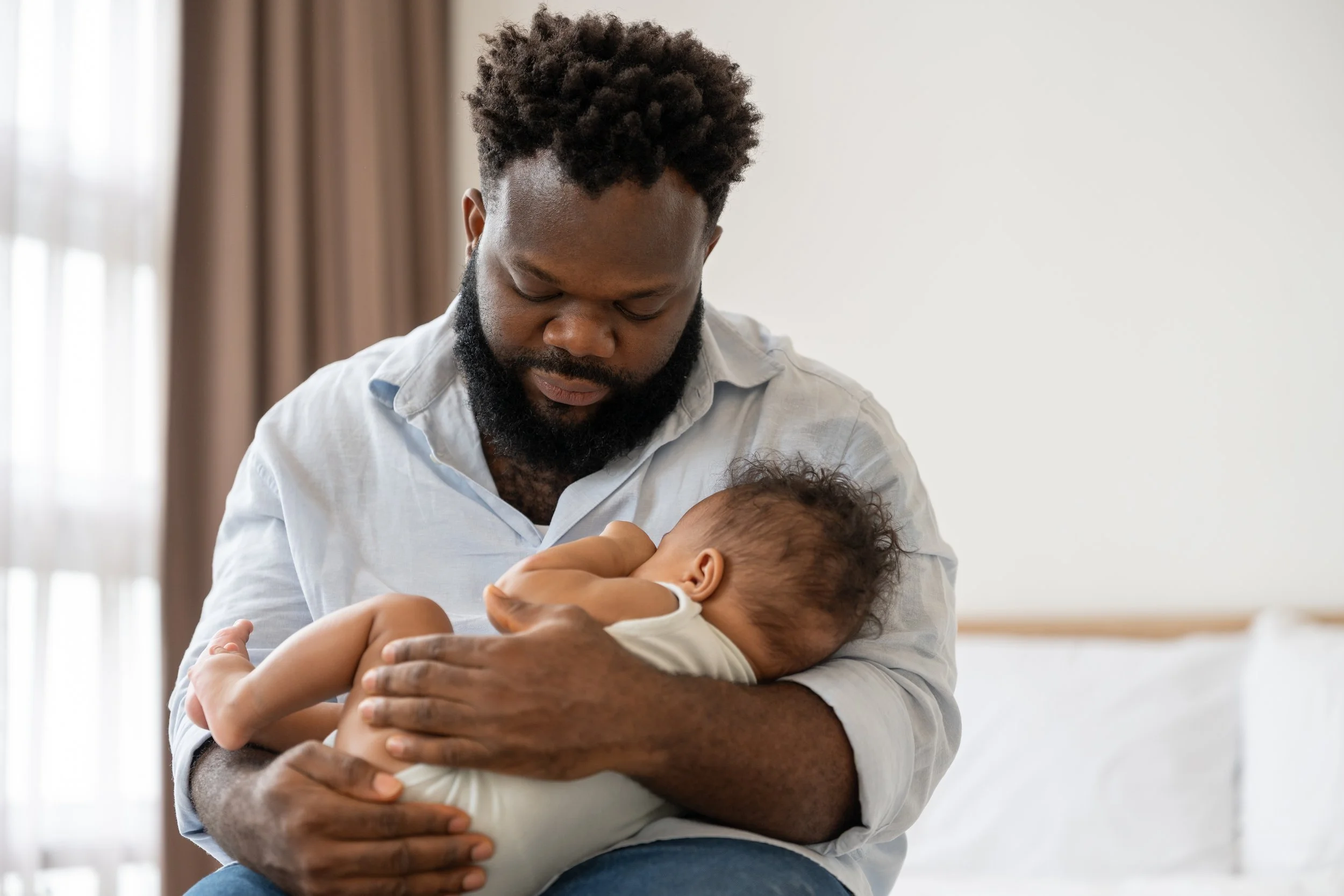
From birth to about eight weeks, focus on simple, steady contact such as:
Skin to skin holding
Warm hands resting quietly on Baby’s body
Slow, rhythmic patting
Rocking
Research shows that early skin to skin contact helps stabilize heart rate, breathing, and temperature in newborns (1). Studies on early parent and infant connection also show that responsive, calm touch supports regulation and attachment (2).
When you hold Baby close and respond to their cues, their little body settles because of you. This stage is not about technique. It is about security. You are not behind. You are building the foundation.
Phase Two – Preparing for Infant Massage
Most babies are ready for true baby massage sessions around three months of age.
Between months two and three, you may begin to notice small but important changes. Baby can lie on their back more comfortably. Wake periods stretch a little longer. Baby can stay calm during play instead of becoming upset quickly. The startle response softens.
These changes tell you something important: Baby’s nervous system is maturing and Baby is becoming more able to handle gentle, repeated touch.
This is often the season when baby massage begins to feel good for both of you. Not overwhelming. Not stressful. But connecting.
Signs Baby may be ready for infant massage include:
Lying comfortably on their back
Relaxed arms and legs
Longer calm alert periods
Looking into your eyes during play
Less startling when being handled
When you begin baby massage, think slow and steady.
Start with legs and feet because Baby is already used to being handled there during diaper changes. Then gradually add abdominal strokes. Then chest. Then arms and hands. Face and back come last.
Work your way up to a full massage over days and weeks. At first it may only be a few strokes and that is enough.
Why Waiting Actually Helps
Some parents worry that waiting means missing a critical window of development. That fear is understandable.
Infant massage research shows that benefits are strongest when babies are developmentally ready to comfortably tolerate and participate in the interaction (3). Massage works best when it is a shared, regulated experience.
When you wait until Baby is ready:
Sessions feel calmer.
Baby stays happier.
You feel more confident with what you are doing.
A Simple Rule of Thumb for Baby Massage
First month – hold, rock, soothe.
Second month – continue with holding, gentle patting and rocking
Third month – begin structured baby massage slowly and build from there.
Stop when Baby has had enough. Begin again the next day. Over time, Baby will not just tolerate a full session, Baby will anticipate it. This is when the routine shifts from effort to joyful connection.
Learn More Through Best Beginnings
The Best Beginnings Infant Massage and Movement Program teaches parents exactly how to move through these phases with clarity and confidence.
You learn:
What to do in the early weeks
How to recognize readiness signs for baby massage
Step by step infant massage techniques
How to build a calm, predictable routine
Safety first.
Confidence next.
Intentional touch that grows with Baby.
If you are wondering where to start with baby massage in the first months, the Best Beginnings Infant Massage and Movement Program offers simple, step-by-step guidance you can follow with confidence. Parents learn gentle techniques that feel natural and easy to use at home, helping support Baby’s comfort, connection, and early development from the very beginning.