How to Choose the Best Oil for Baby Massage
One of the first questions that new parents have when they want to learn baby massage is, “What type of oil should I use for infant massage?”
This is an excellent question. And the truth is that when you practice baby massage, the oil you choose matters.
Your baby’s skin is delicate, and it absorbs what is placed on it. Combine that with the very real fact that babies put everything in their mouths, such as fingers and toes, it becomes clear why you should choose an oil that you can eat.
In the Best Beginnings Infant Massage and Movement Program, we recommend organic, cold-pressed, unscented fruit or vegetable oils for baby massage.
Let’s take a few moments to explore why these are good choices.
Why Organic and Cold-Pressed Oils Matter for Baby Massage
When it comes to oils, there are many to choose from. Just like with everything, there is good quality and better quality.
You can certainly use most oils that you buy in a supermarket or a health food store. If you can, choose a higher quality oil that contains fewer additives and impurities.
Organic oils reduce the amount of chemical residue placed on Baby’s skin.
Cold-pressed oils are processed at lower temperatures. This helps preserve the oil’s natural structure and nutrients while minimizing chemical alteration. Less refined oils are typically free from unnecessary additives and synthetic stabilizers.
If you can choose an oil that is both organic and cold-pressed, it is worth the slight extra cost.
Baby-Friendly Oils for Baby Massage
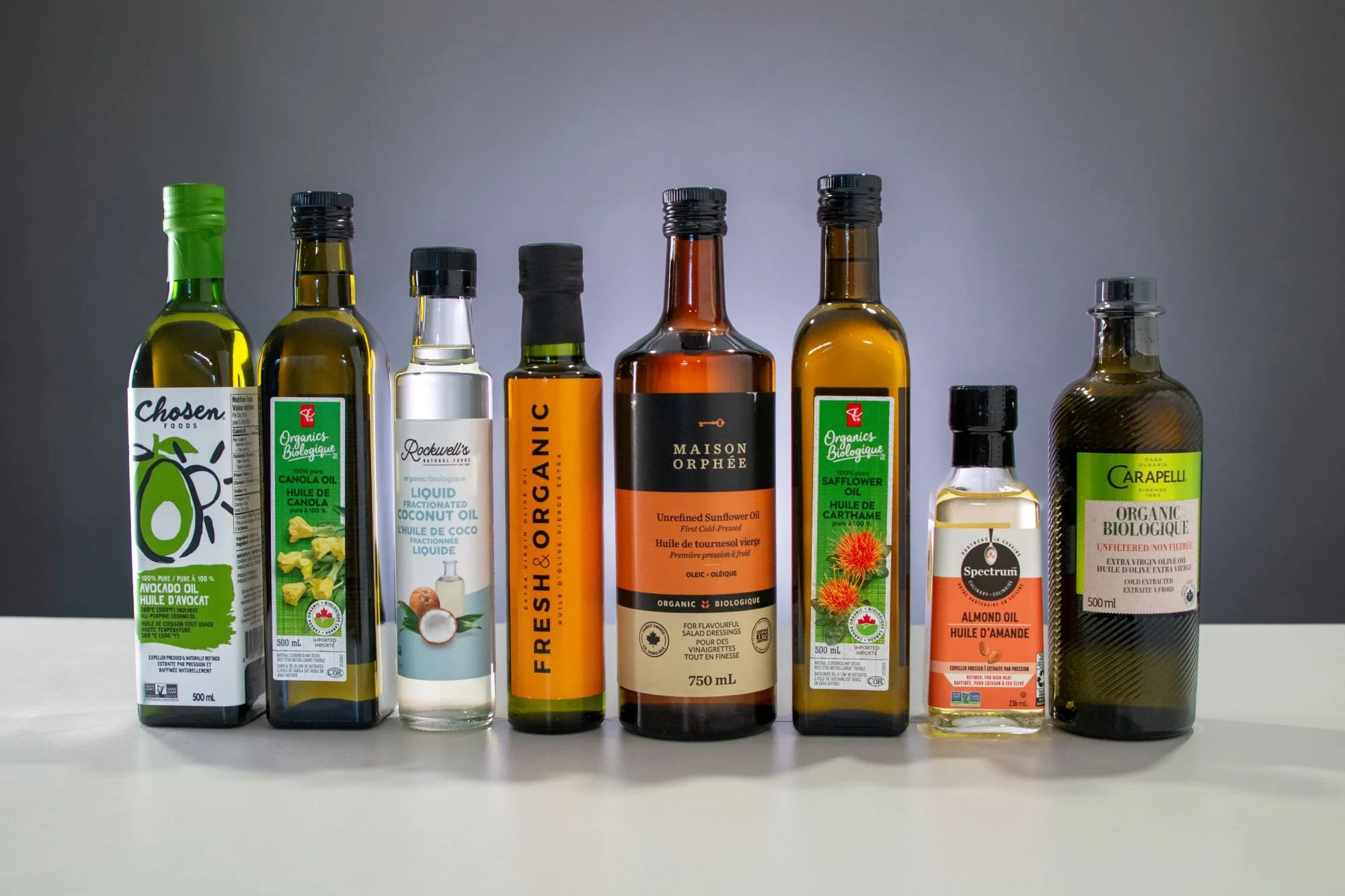
Here are safe, commonly used options for baby massage oil:
Coconut Oil - Highly moisturizing and naturally antibacterial. Regular coconut oil can feel greasy. Fractionated coconut oil is lighter and remains liquid, making it a practical baby massage oil option.
Avocado Oil - Rich in vitamins A, D, and E. A nourishing option for dry or eczema-prone skin.
Apricot Kernel Oil - Lightweight and absorbs well. Often tolerated by sensitive skin.
Grapeseed Oil - Very mild and non-greasy. A gentle option for babies with sensitive skin.
Sunflower Oil - High in vitamin E and generally non-irritating. Lightweight and often well tolerated.
Safflower Oil - Rich in linoleic acid, which supports healthy skin function.
Sweet Almond Oil - Nourishing and rich in vitamins A and E. Avoid if there is a known nut allergy.
You do not need to purchase every option listed above. Start with one high-quality natural oil and see how Baby’s skin responds. If Baby does not tolerate the first oil that you try, you can simply use it in your kitchen instead and try another option.
Avoid Scented Oils, Baby Oil, Petroleum Jelly, and Lotions
Conventional baby oil and petroleum jelly are petroleum-based products. They are highly processed and not food-grade, which makes them less ideal for infant massage.
Avoid oils or lotions that contain added fragrance. Even products labeled “gentle” or “for babies” may include synthetic scents or extra ingredients that are not necessary.
Lotions made for adult skin often contain preservatives, stabilizers, and additional chemicals.
When in doubt, keep it simple and food-grade.
General Tips for Choosing and Using Oils for Infant Massage
Taking the time to choose a quality, food-grade oil is always a wise first step when you are learning baby massage or infant massage.
1. Check Freshness - Natural oils can go rancid easily.
Always check the expiration date. Store oils away from heat and sunlight to slow the oxidation process. Dark or green glass bottles help protect the oil from light exposure.
Before each massage, do a quick smell test. If the oil smells sharp or unpleasant, do not use it.
2. Store It Properly - Store oil in a cool, dark place.
If you massage daily, a cupboard or drawer works well. If you massage your baby occasionally, refrigeration can extend its freshness.
3. Warm the Oil Before Starting
Starting a massage with cold oil is not a pleasant experience.
If your massage oil has been refrigerated, place the bottle in a glass of warm water for a few minutes. Otherwise, place a small amount of oil in the palms of your hands and rub them together for 15 seconds or more before touching Baby’s skin.
Warm hands matter just as much as warm oil.
4. Always Start with a Patch Test
Before using a new oil, place a small amount on Baby’s arm or leg and gently massage it into the skin.
Watch the area for about an hour. If you notice redness or blotching, choose a different oil and test again.
If the skin remains clear, the oil is likely a good fit.
Wrapping it all Up
The information in this blog post comes directly from the Best Beginnings Infant Massage and Movement Program. The program was created to help new parents feel confident using intentional touch and gentle movement to support Baby’s brain and body development.
Inside the program, you will learn:
Clear, step-by-step infant massage strokes that you can confidently practice at home
How to choose the right pressure and rhythm for Baby
How touch supports bonding and helps Baby learn to calm themself
How massage and movement work together to support Baby’s growth and early development
It is practical. It is easy to follow. And it is designed to help you feel steady and confident in your hands.
If you are ready to move beyond guessing and learn exactly how to support Baby through touch and movement, I would love to guide you inside the Best Beginnings program.
Explore the full program here and get started today!